
The Role of Excitement and Anticipation
The thrill of gambling is often rooted in the excitement and anticipation that comes with each game. Players experience a surge of adrenaline as they place bets, waiting for the outcome that could lead to a win. This emotional high can create a powerful feedback loop, where the brain releases dopamine, reinforcing the desire to gamble. Over time, this cycle can lead to compulsive gambling behaviors as individuals chase the exhilarating rush associated with potential wins. For those looking to enhance their gambling strategies, WorldCup2026BettingTips.com shows WC betting tips that can provide useful insights.

Anticipation can manifest in different ways, from the flickering lights of slot machines to the suspenseful moments before a card is revealed in poker. These sensory elements are designed to heighten the emotional stakes, making the experience more immersive. Casinos often use psychological tactics, such as variable rewards, to keep players engaged. The unpredictability of winning or losing, coupled with the potential for significant payouts, makes gambling an appealing pursuit for many.
This excitement is not just a fleeting moment; it can influence decision-making in profound ways. When players are caught in the thrill of the game, they may make impulsive choices, betting more than they originally planned. Understanding how excitement and anticipation drive behavior can help individuals recognize their own patterns and make more informed decisions when engaging in gambling activities.
The Influence of Social Environment
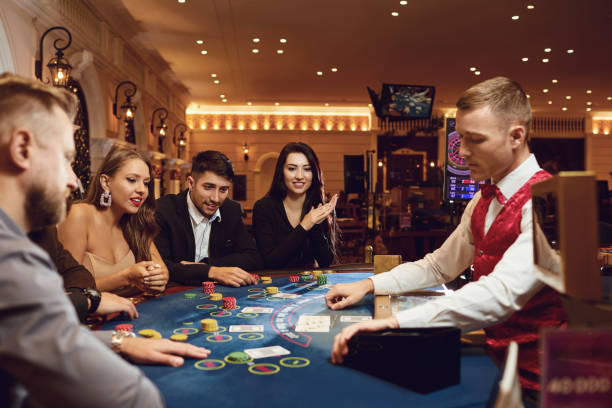
Casinos are social hubs where people gather to enjoy entertainment and camaraderie. The social environment plays a critical role in shaping gambling behavior, as the presence of others can amplify feelings of excitement and competition. Gamblers often feed off the energy of those around them, leading to increased bets and heightened emotional responses. This communal aspect of gambling can create a sense of belonging, making the experience more enjoyable and reinforcing the desire to return.
Moreover, peer influence can significantly affect individual gambling behavior. For instance, witnessing friends or acquaintances win large sums can trigger a strong urge to participate, even among those who may not typically engage in such activities. The social validation gained from shared experiences in the casino, such as celebrating wins or commiserating over losses, can make it difficult to walk away, leading to extended gambling sessions.
The design of casinos further encourages social interaction. Many establishments feature open spaces, communal gaming tables, and lounge areas where players can socialize. This environment not only enhances the gambling experience but also fosters a culture where excessive gambling may be normalized. Recognizing the impact of the social environment on gambling behavior can empower individuals to make more conscious choices about their participation.
The Psychology of Loss and the Chase Effect
One of the most potent psychological triggers in gambling is the concept of loss. The feeling of losing can evoke strong emotional responses, leading to what’s known as the “chase effect.” When players experience a loss, they may feel compelled to gamble again in hopes of recovering their losses. This behavior is driven by the desire to alleviate the negative emotions associated with losing, often leading to a cycle of chasing losses that can spiral out of control.
The psychological principle of loss aversion explains why individuals may gamble more after losing. Research indicates that the pain of losing is psychologically more significant than the pleasure of winning. As a result, gamblers are often willing to take irrational risks to chase after their losses, which can exacerbate their financial situations. This emotional connection to losses underscores the importance of understanding the psychological triggers that influence gambling behavior.
Additionally, casinos often employ strategies to exploit the chase effect. Promotions that encourage players to continue playing after a loss, such as bonus offers or cashback incentives, can reinforce this behavior. By recognizing how loss aversion affects decision-making, individuals can better navigate their gambling experiences and work towards healthier habits.
The Allure of Big Wins and Fantasy
The possibility of hitting a jackpot can create a powerful allure for gamblers, as the prospect of life-changing winnings taps into the desire for instant gratification and fantasy. Many players are drawn to the idea that a single bet could lead to extraordinary wealth and an escape from everyday realities. This fantasy can be fueled by media portrayals of gamblers who strike it rich, reinforcing the notion that big wins are attainable.
The power of storytelling and the allure of success stories are prevalent in casinos, where advertisements and signage often highlight past winners. This narrative can create a form of cognitive bias, causing gamblers to overestimate their chances of winning. This skewed perception can lead to increased betting and risky behavior, as players become captivated by the dream of wealth and luxury that gambling promises.
Moreover, the concept of “near misses,” where players come close to winning, can further entrench this fantasy. Even if they lose, the excitement of being just one step away can be enough to keep players engaged. Understanding how these fantasies and narratives shape gambling behavior can help individuals maintain a realistic perspective about their chances and the nature of gambling.
Insights from World Cup 2026 Betting Tips
As we look toward events like the World Cup 2026, understanding the psychological triggers that drive gambling behavior becomes increasingly important. Betting on sports, much like casino gambling, can evoke similar feelings of excitement, anticipation, and social engagement. Knowledge of the psychological factors at play can empower bettors to make informed decisions rather than succumbing to impulsive behaviors.
Platforms that provide insights and betting tips, such as those focused on the World Cup 2026 Betting tips, emphasize data-driven predictions and historical patterns to help users navigate their betting strategies. By understanding the dynamics of team performance and match context, bettors can make choices based on analysis rather than emotion, ultimately enhancing their experience and reducing the risks associated with impulsive betting.
In summary, the interplay of psychological triggers in both casino gambling and sports betting underscores the importance of awareness and education. By leveraging expert insights, individuals can engage more thoughtfully in gambling activities, fostering healthier habits while still enjoying the excitement that comes with the experience.