
Understanding the House Edge
The house edge is a fundamental concept in the realm of casino games. It refers to the built-in advantage that the casino holds over the players, ensuring that, over time, the house will always make a profit. Each game has learn more its own house edge, which can vary significantly based on the rules and how players approach the game. For example, games like blackjack often have a lower house edge compared to slots, making them a more favorable option for strategic players.
The house edge isn’t necessarily evil; it’s simply a mathematical reality based on probabilities. Casinos use this mechanism to sustain their business model, allowing them to pay out winnings while still turning a profit. While players might win in the short term, the odds are structured in a way that maintains the casino’s supremacy in the long run. Understanding the house edge is crucial for any player, as it informs decision-making processes and risk management strategies.
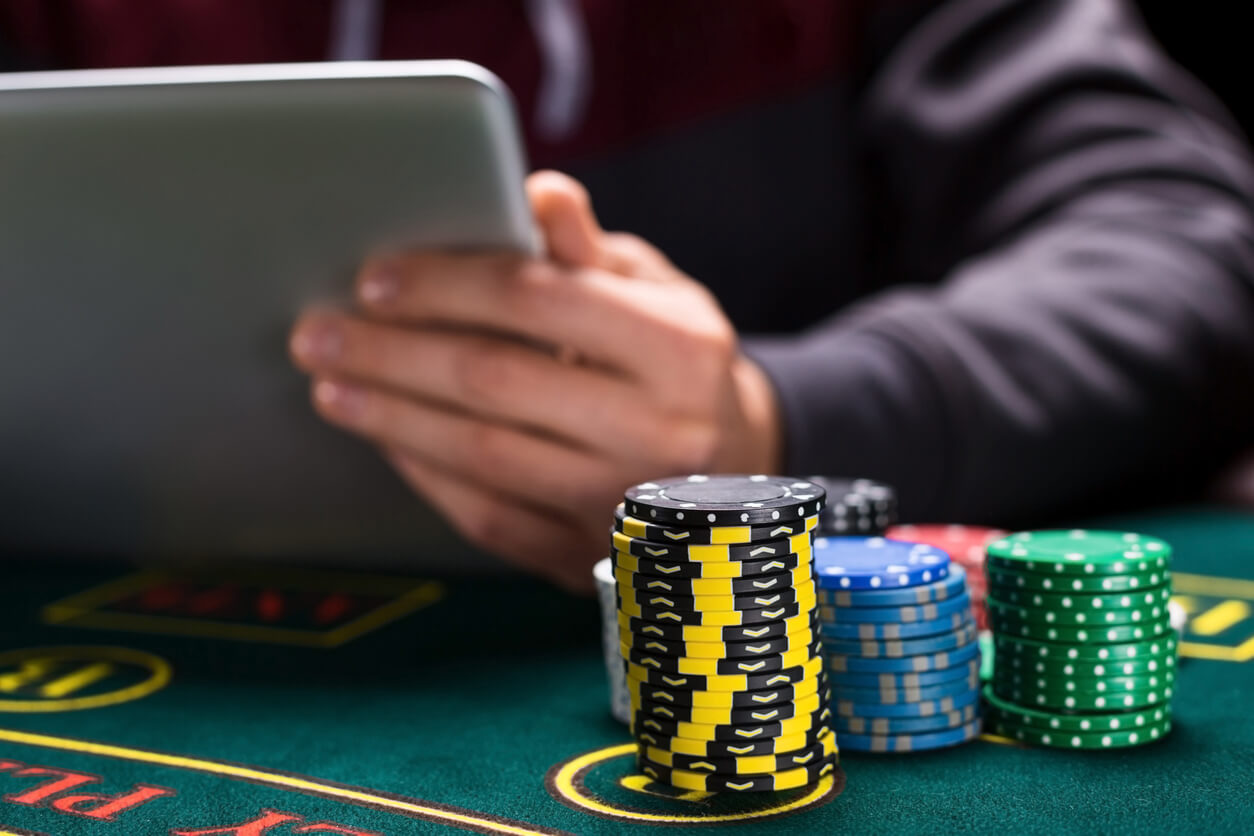
Moreover, the house edge can greatly influence a player’s overall experience. A lower house edge often means that players have a better chance of winning more frequently, leading to enhanced enjoyment. Knowing which games offer better odds allows players to make more informed choices about where to invest their time and money. It’s essential to approach casino games with realistic expectations, armed with the knowledge of how the house edge affects potential outcomes.
Can Skill Play a Role?
Many aspiring gamblers often wonder if skill can mitigate the house edge. In games like poker and blackjack, players can use strategies and skills to influence the outcome. In poker, for example, experienced players can read their opponents and make informed betting choices, which can lead to a significant advantage. In blackjack, using techniques like card counting can reduce the house edge considerably, allowing a skilled player to gain an upper hand.
However, it’s essential to acknowledge that not all casino games allow for skill-based strategies. Many games, such as roulette or slots, rely solely on chance. In these cases, even the best strategies will not change the underlying odds. A player’s choice of game can significantly impact their ability to “beat” the house edge. Understanding which games provide opportunities for skill application versus those dominated by luck is crucial for a player’s long-term success.

Additionally, players should consider the psychological aspects of applying skill-based strategies. Overconfidence can lead to mistakes, while excessive caution may prevent players from fully utilizing their skills. Balancing risk and skill is a delicate art, one that requires practice and reflection over time. Players who invest the effort to hone their skills in appropriate games may find themselves enjoying a more rewarding experience in the dynamic world of gambling.
The Role of Betting Strategies
While you cannot entirely eliminate the house edge, employing effective betting strategies can enhance your gameplay experience. Many gamblers rely on systems such as the Martingale or Fibonacci, which are designed to help manage a player’s bankroll and dictate betting amounts based on wins and losses. These strategies can provide a sense of control, although they do not guarantee a win.
It is crucial to remember that these betting strategies don’t change the house edge itself. They are tools to help players manage their funds more effectively, which can result in longer playtime rather than outright victories over the house. Ultimately, players should approach these systems with caution and understand their limitations. Experimenting with various strategies in low-stakes games can help players discover which methods align best with their individual styles and risk tolerances.
Furthermore, the context of the game also matters. Different environments, such as online versus land-based casinos, can impact the effectiveness of betting strategies. Online platforms may offer more flexibility, while physical casinos might provide social interactions that can influence decision-making. Players should assess their environment and adapt their strategies accordingly to maximize their effectiveness. Just as no one strategy is foolproof, adaptability is key to a successful gambling approach.
Emotional and Psychological Factors
The psychological aspect of gambling cannot be overstated. Emotions can significantly influence decision-making and lead to irrational behavior, resulting in higher losses. Players often chase their losses or become overly confident after a series of wins, which can cloud their judgment. Recognizing the emotional rollercoaster that gambling can provoke is essential for maintaining a level-headed approach.
Understanding one’s limits, setting budgets, and knowing when to walk away are vital components of responsible gambling. Awareness of emotional triggers can help prevent impulsive decisions that may lead to significant losses, reinforcing the notion that overcoming the house edge requires more than just strategies and skills; it also demands mental discipline and self-control. Practicing mindfulness or keeping a record of one’s gambling activities can provide valuable insights into one’s emotional state and decision-making patterns.
Moreover, players may benefit from developing coping strategies to handle the emotional aspects of gambling. For instance, taking breaks, engaging in other activities, or discussing experiences with fellow gamblers can help in maintaining a balanced mindset. It’s important to realize that gambling should remain a form of entertainment rather than a source of distress. Establishing a healthy relationship with gambling can lead to more enjoyable experiences and help minimize the adverse effects of emotional highs and lows.
Explore More with Indigopiaf
For those interested in diving deeper into the intricacies of casino games, understanding strategies, and exploring the various facets of gambling, a wealth of resources is available. Websites like Indigopiaf provide valuable insights, tips, and discussions surrounding gambling, enabling players to make informed decisions.
By equipping yourself with knowledge about the games, house edge, and effective strategies, you can enhance your gambling experience. Exploring dedicated platforms will empower you to navigate the complexities of gambling, contributing to a more enjoyable and informed approach to casino gaming. Additionally, engaging with communities and forums can offer diverse perspectives and experiences, further enriching your understanding of the gambling landscape.
Ultimately, staying informed and continually learning can enhance your overall strategy and enjoyment while gambling. By leveraging resources and fostering a greater understanding of the various aspects of gaming, players can increase their chances of not just winning, but also achieving a fulfilling and responsible gambling journey.